What is an Electric Sensor? Complete Auto Guide
17 July 2026 | By Rui Xinsheng Auto Parts | Volume 0
What Is an Electric Sensor?
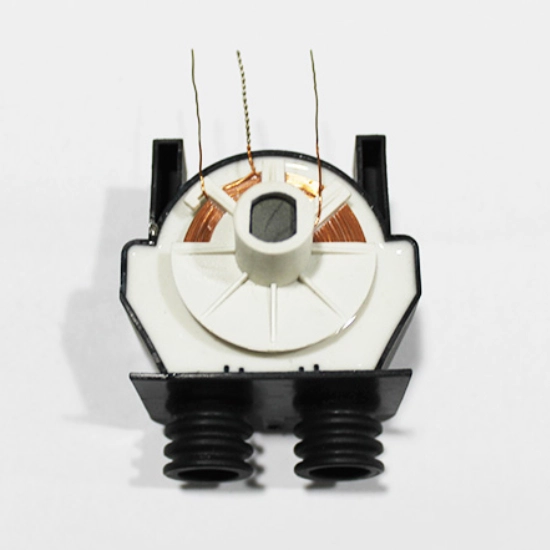
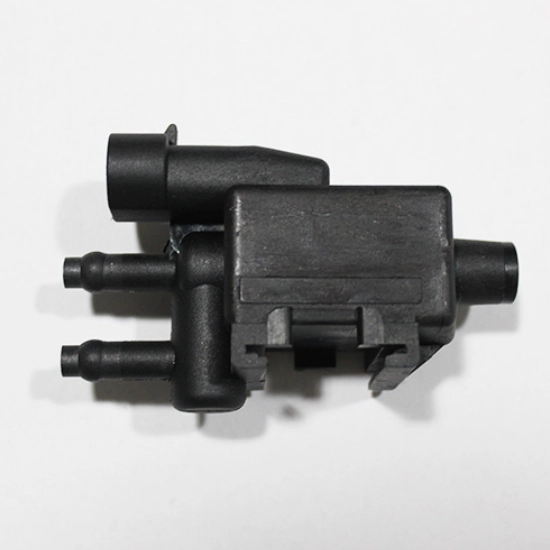
An electric sensor is a small but critical component that detects physical conditions—such as temperature, pressure, position, speed, or flow—and converts them into electrical signals for a vehicle’s computer system. In modern cars, trucks, and EVs, the electric sensor acts as the “eyes and ears” of the engine control unit (ECU), transmission module, and safety systems. Without reliable electric sensor units, vehicles cannot achieve optimal performance, fuel efficiency, or emissions control.
Every automotive system relies on electric sensor feedback to operate in real time. Whether adjusting fuel injection, monitoring exhaust gases, regulating cooling systems, or activating safety features, the electric sensor provides accurate data that keeps the vehicle running smoothly and safely.
How Does an Electric Sensor Work?
The electric sensor operates by responding to a specific physical input and producing a proportional electrical signal. This signal is sent to the ECU, which then adjusts engine, transmission, or chassis functions accordingly.
Basic Working Principle of an Electric Sensor
Most electric sensor devices use resistive, voltage, or digital output to communicate changes. When conditions such as heat, pressure, motion, or position shift, the electric sensor modifies its electrical output. The ECU interprets these changes and makes instant adjustments to maintain performance and efficiency. This process happens continuously while the vehicle is running.
Common Types of Electric Sensors in Vehicles
There are many types of electric sensor components used in modern automobiles, each serving a specialized role.
Key Automotive Electric Sensor Examples
- Oxygen sensor (O2 sensor) – monitors exhaust oxygen levels
- Mass airflow sensor (MAF) – measures intake air volume
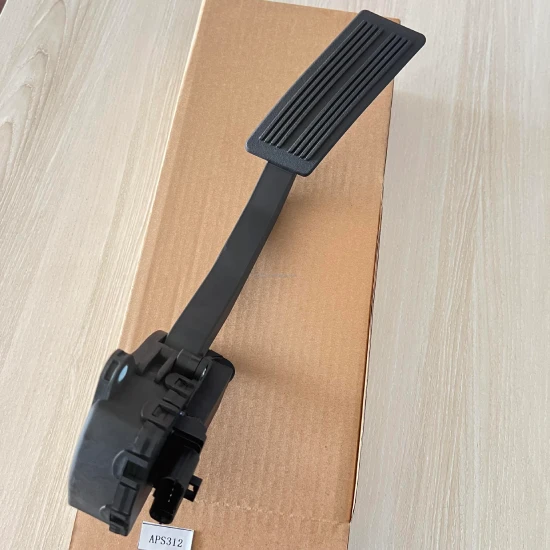
- Throttle position sensor (TPS) – tracks accelerator and throttle movement
- Coolant temperature sensor – regulates engine temperature
- Crankshaft position sensor – controls ignition timing
- Brake pressure sensor – supports ABS and stability control
- Speed sensor – calculates vehicle and wheel speed
Each electric sensor ensures precise system control and improves reliability.
Signs of a Failing Electric Sensor
A faulty electric sensor can cause serious performance issues and trigger warning lights.
Common symptoms include:
- Check engine light illumination
- Reduced fuel efficiency
- Rough idle or hesitation
- Poor acceleration
- Transmission shifting problems
- Failed emissions test
- Unstable idle or stalling
Because the electric sensor is essential to vehicle operation, early replacement prevents further damage and costly repairs.
Importance of Quality Electric Sensor Parts
Low-quality or counterfeit electric sensor units often fail quickly, provide inaccurate data, and cause repeated breakdowns. Premium OEM and aftermarket electric sensor components ensure accurate readings, stable performance, and long service life.
For fleets, repair shops, and parts distributors, reliable electric sensor inventory reduces comebacks, improves customer trust, and supports profitable operations.
How to Maintain and Replace an Electric Sensor
Most electric sensor units require no regular maintenance but can fail due to heat, vibration, oil contamination, or wiring damage. Technicians should test sensor output during routine service and replace any electric sensor showing inconsistent readings.
Always use compatible, high-quality replacements to ensure proper fit and function.
Frequently Asked Questions About Electric Sensors
1. What is an electric sensor in a car?
An electric sensor is a component that detects physical conditions and sends electrical signals to the vehicle’s computer to control performance and safety systems.
2. What does an electric sensor do?
The electric sensor measures temperature, pressure, speed, position, or flow and helps the ECU optimize fuel, ignition, transmission, and safety functions.
3. What happens when an electric sensor fails?
A failed electric sensor causes poor performance, warning lights, reduced efficiency, stalling, or unsafe driving conditions.
4. How long does an electric sensor last?
A quality electric sensor typically lasts 50,000–100,000 miles, depending on type, location, and driving conditions.
5. Can I replace an electric sensor myself?
Many electric sensor replacements are simple, but proper testing and calibration are recommended for accurate results.
The above content was generated by AI assistance.