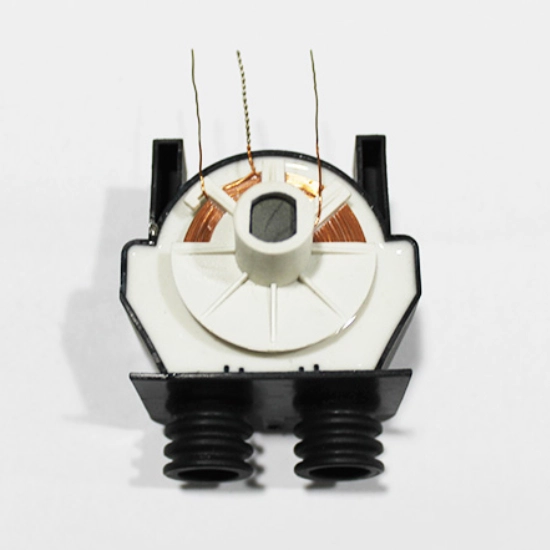
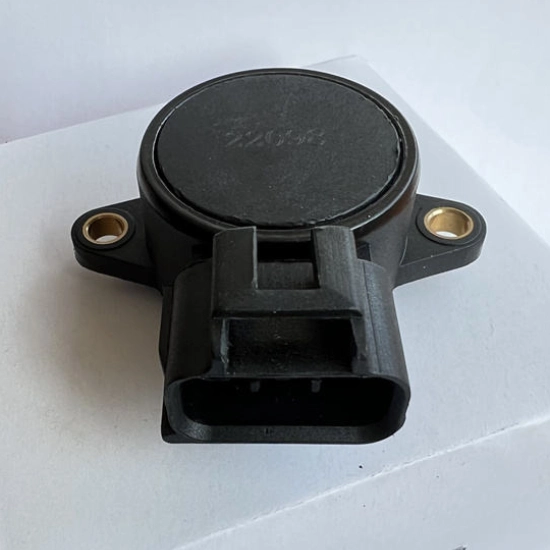
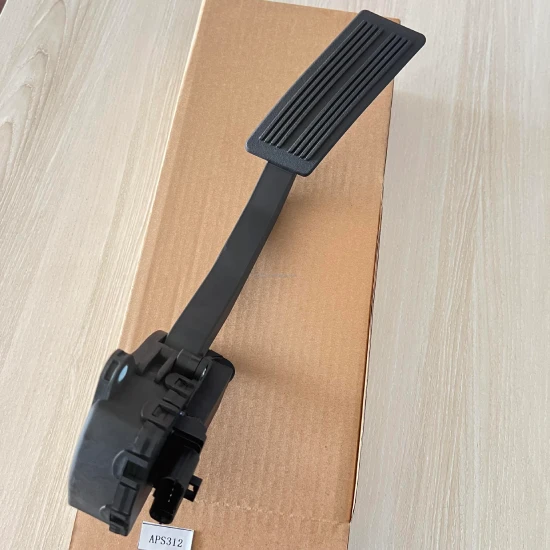
What is a Solenoid Valve Used For? Complete Automotive Guide
17 July 2026 | By Rui Xinsheng Auto Parts | Volume 0
What Is a Solenoid Valve?
A solenoid valve is an electromechanical component that controls the flow of fluids, gases, or air using an electrical coil and plunger. It acts as a fast-acting, automatic switch in automotive systems, enabling precise control of fuel, transmission fluid, coolant, air, and hydraulic pressure. The solenoid valve is widely used in modern cars, trucks, EVs, and commercial vehicles because it is reliable, compact, and responds instantly to electrical signals.
Without a properly functioning solenoid valve, many critical vehicle systems cannot operate safely or efficiently.
What is a Solenoid Valve Used For in Vehicles?
The solenoid valve supports numerous essential automotive functions. It controls flow, pressure, and direction in real time, helping engines, transmissions, brakes, and emissions systems work correctly.
Main Uses of a Solenoid Valve
- Controls fuel flow and injection timing
- Manages transmission shifting and hydraulic pressure
- Regulates idle air and emissions systems
- Activates brake and vacuum control systems
- Manages coolant flow and thermal management
- Controls air suspension and pneumatic systems
- Supports EV thermal management and fluid control
In every case, the solenoid valve provides fast, accurate, and automatic control.
How Does a Solenoid Valve Work?
A solenoid valve uses electromagnetic force to open or close a fluid passage. When power is applied to the coil, a magnetic field moves the plunger, opening or closing the valve. When power stops, the plunger returns to its resting position, stopping or resuming flow.
This simple but strong design makes the solenoid valve ideal for high-demand automotive environments.
Common Types of Solenoid Valves in Vehicles
Many systems depend on a specialized solenoid valve to maintain performance.
Popular Automotive Solenoid Valves
- Transmission solenoid valve
- VVT / oil control solenoid valve
- EGR solenoid valve
- Purge solenoid valve
- Fuel shut-off solenoid valve
- Air suspension solenoid valve
- Coolant control solenoid valve
- Hydraulic control solenoid valve
Each solenoid valve is engineered for a specific pressure, flow, and temperature range.
Signs of a Failing Solenoid Valve
A faulty solenoid valve causes system failure, poor performance, and warning lights.
Common symptoms include:
- Rough shifting or transmission slipping
- Reduced engine performance
- Increased emissions
- Check engine light
- Fluid leaks
- Unusual noises
- Poor idle quality
Replacing a worn solenoid valve early prevents further damage and expensive repairs.
Why Choose High-Quality Solenoid Valves?
Low-quality solenoid valve units fail quickly, leak, or perform poorly under pressure. Premium OEM and aftermarket solenoid valves provide stable flow, strong sealing, and long service life.
For repair shops, fleets, and parts distributors, reliable solenoid valve stock improves customer trust and reduces comebacks.
Frequently Asked Questions About Solenoid Valves
1. What is a solenoid valve used for?
A solenoid valve controls the flow of fluids, gases, or air in automotive systems like transmission, engine, emissions, and brakes.
2. How does a solenoid valve work?
It uses electricity to create a magnetic field that opens or closes the valve, controlling flow automatically.
3. What happens when a solenoid valve fails?
A failed solenoid valve causes poor performance, shifting issues, warning lights, leaks, and system malfunctions.
4. Where is the solenoid valve located in a car?
It can be in the transmission, engine bay, fuel system, emissions system, or air suspension.
5. Can you drive with a bad solenoid valve?
Driving with a faulty solenoid valve is not recommended—it may cause severe damage.
The above content was generated by AI assistance.