What does a solenoid valve coil do? Complete Guide
17 July 2026 | By Rui Xinsheng Auto Parts | Volume 0
What Is a Solenoid Valve Coil?
A solenoid valve coil is the electrical core of a solenoid valve. It is a tightly wound copper coil that generates a magnetic field when powered. This magnetic field moves the plunger inside the valve, allowing fluid, air, or gas to flow or stop. Without a working solenoid valve coil, the entire solenoid valve cannot function.
In vehicles, the solenoid valve coil controls critical systems such as transmission, fuel, emissions, braking, and hydraulics. It is small, durable, and responsible for fast, reliable operation.
What does a solenoid valve coil do?
The main job of the solenoid valve coil is to convert electrical energy into magnetic force. This force opens or closes the valve quickly and precisely.
Core Functions of the Solenoid Valve Coil
- Creates a magnetic field when voltage is applied
- Moves the internal plunger to open or close the valve
- Provides instant on/off control for fluids and gases
- Supports safe, consistent performance of automotive systems
- Works with the ECU for real‑time control
Every time a solenoid valve activates, it depends on a strong and stable solenoid valve coil.
How Does a Solenoid Valve Coil Work?
When power flows through the solenoid valve coil, it produces an electromagnetic field. This field pulls the plunger, opening the valve. When power stops, the magnetic field disappears, and the plunger closes the valve.
This simple, fast action makes the solenoid valve coil essential for automatic control in modern vehicles.
Common Applications in Vehicles
The solenoid valve coil is used in many important automotive systems:
Where the Solenoid Valve Coil Is Used
- Transmission shift solenoids
- VVT / oil control solenoids
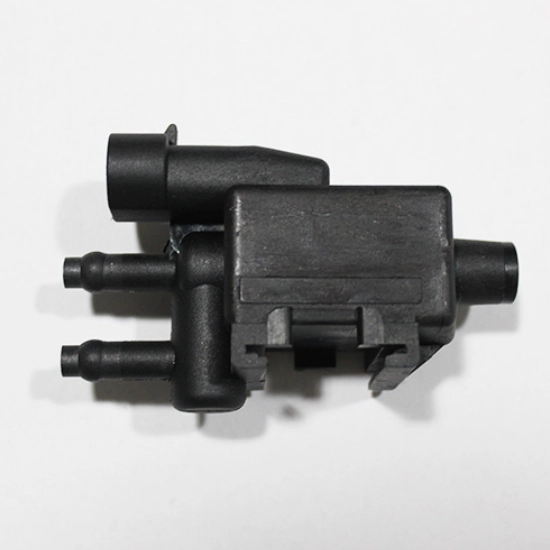
- EGR and purge valves
- Fuel control solenoids
- Air suspension valves
- Hydraulic and brake control systems
Each system relies on the solenoid valve coil for stable and accurate operation.
Signs of a Bad Solenoid Valve Coil
A damaged solenoid valve coil will stop the valve from working. Common symptoms include:
- Solenoid valve not activating
- Weak or intermittent operation
- Warning lights on the dashboard
- No fluid or air control
- Burning smell or overheating
- Corrosion or damage to the coil
Replacing a faulty solenoid valve coil early restores full function and prevents further system damage.
Why Use High-Quality Solenoid Valve Coils?
Low‑quality coils burn out quickly, have weak magnetism, and fail under heat or vibration. Premium OEM and aftermarket solenoid valve coil units provide stable voltage resistance, strong magnetic force, and long service life.
For workshops, fleets, and distributors, reliable coils reduce failures and improve customer satisfaction.
Frequently Asked Questions About Solenoid Valve Coil
1. What does a solenoid valve coil do?
A solenoid valve coil creates a magnetic field that opens and closes the solenoid valve to control fluid, air, or gas flow.
2. Can a solenoid work without a coil?
No. The solenoid valve coil is the power source; without it, the valve cannot activate.
3. What causes a solenoid valve coil to burn out?
Common causes include overvoltage, high heat, moisture, short circuits, and long‑term wear.
4. How do I know if my solenoid valve coil is bad?
Signs include no operation, weak performance, warning lights, overheating, or visible damage.
5. Can you replace just the solenoid valve coil?
Yes, in most cases you can replace only the solenoid valve coil without changing the entire valve.
The above content was generated by AI assistance.